05/01/2026
A tree emergency in Jacksonville can strike without warning, turning a landscape feature into a serious hazard. Knowing when a tree poses an immediate threat is vital for safety and property preservation. This guide helps Jacksonville residents understand the criteria for a tree emergency, local regulations, and how to respond effectively.
Key Takeaways
- A tree is an emergency in Jacksonville if it poses an imminent danger to life or property, as defined by local ordinance Section 656.1205.
- Emergency tree removals are generally exempt from standard permits, provided the hazard is properly documented with photos or reports.
- Jacksonville’s sandy soil and storm frequency significantly increase the risk of tree uprooting and structural failure.
- Identifying critical signs like deep trunk cracks, heaving soil, and proximity to power lines is essential for early hazard detection.
- Emergency removal costs typically range from $1,000 to $7,500+ based on tree size, access, and storm demand.
- Hiring licensed, local professionals ensures compliance with regulations and protection against the risks of uninsured operators.
Understanding a Tree Emergency in Jacksonville: The Legal & Practical View
A tree is considered an emergency in Jacksonville when it presents an imminent danger to life, structures, or public utilities. This legal and practical definition guides how residents and authorities respond to hazardous tree situations.
Defining “Imminent Danger” under Jacksonville Ordinances
Jacksonville’s local ordinances are clear: a tree becomes an emergency when it directly threatens immediate harm. Specifically, Section 656.1205 of the Jacksonville Ordinance Code addresses situations of imminent danger. This applies when a tree is actively falling, severely leaning, or has large, broken limbs hanging over an occupied area or public right-of-way.
When Permits Aren’t Needed: Emergency Exemptions
If a tree poses an imminent danger, it can often be removed without the standard pre-approval permit typically required for other removals. However, it is critical to document the hazard thoroughly with photos or an arborist’s assessment before removal to protect against potential fines.
The Role of Protected Trees and DBH (8 inches)
- Standard removal often requires a permit for protected trees meeting location-specific DBH thresholds. For example, 6 inches within 20 feet of a street right-of-way, 8 inches within 10 feet of a property line, or 11.5 inches elsewhere. Confirm with the city or arborist for non-emergencies.
- Emergency situations override standard preservation requirements to ensure public safety.
- Historic districts like Riverside and Springfield maintain strict codes, but imminent danger always takes precedence.
Identifying the Signs of an Emergency Tree
Identifying the early signs of a hazardous tree can be the first step in preventing a full-blown emergency. Many cues are visible if you know what to look for.
Structural Issues: Cracks, Leans, and Splits
Structural integrity is everything for a tree. Any noticeable deviation from its normal posture or form can signal a problem.
- Significant Lean: A sudden lean, especially if the soil around the base is heaving, indicates root failure.
- Large Cracks or Splits: Cracks in the trunk or major limbs compromise the tree’s strength.
- Hollow Spots or Cavities: Extensive decay within the trunk weakens the tree’s core.
- Hanging or Broken Limbs: Large branches that are broken but still attached pose an immediate falling risk.
Environmental Factors: Sandy Soil and Storm Impact
Jacksonville’s unique environment plays a significant role in tree stability. The local climate and soil composition can turn healthy trees into hazards during severe weather.
-
Sandy Soil Hazards: Jacksonville’s sandy soil offers poor anchorage. When saturated, it loses cohesion, making trees susceptible to uprooting. To understand the science behind this, the University of Florida IFAS Extension offers detailed research on how Florida’s soil and wind patterns contribute to tree failure during storms.
- Storm Weakness: Prior storm damage may leave compromised structures that fail during subsequent weather events.
- Water Saturation: Excessive rainfall leads to instability, especially for larger, older trees with high canopy weights.
Proximity Hazards: Power Lines and Structures
A tree’s location relative to infrastructure directly impacts its emergency status. Proximity to certain elements elevates the risk dramatically.
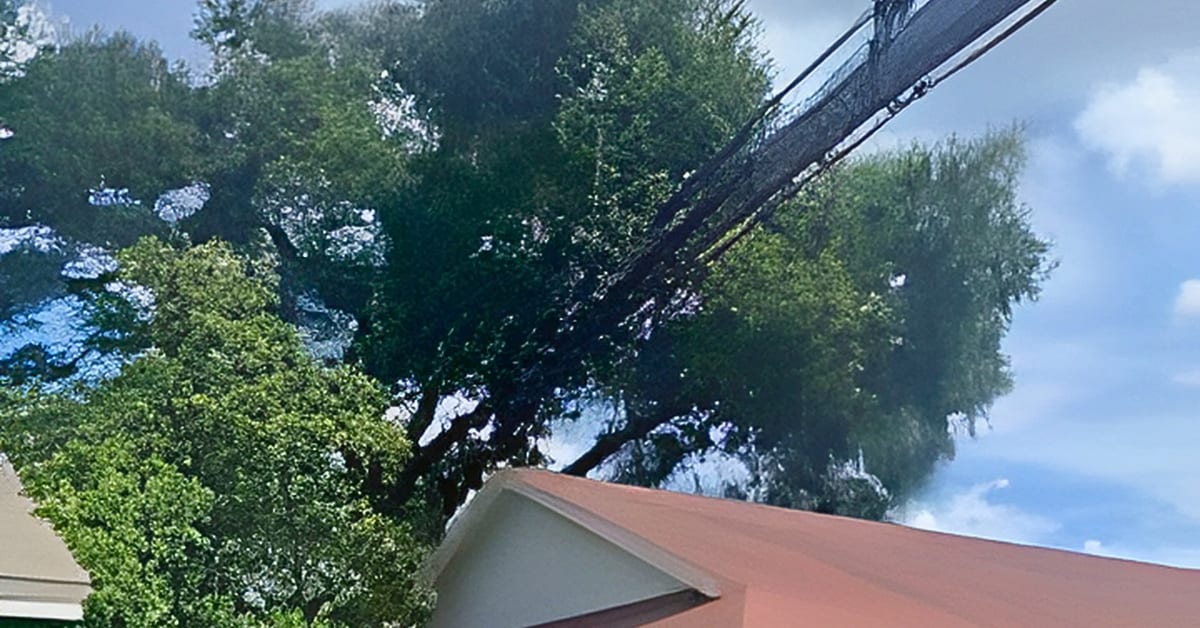
- Power Line Contact: Any tree or limb touching lines creates an immediate electrical hazard.
- Threat to Structures: A tree leaning heavily towards homes or garages is a direct threat.
- Blocking Access: Trees blocking emergency access routes or driveways constitute an immediate hazard.
The Immediate Risks of a Hazardous Tree
Ignoring the signs of a hazardous tree can lead to severe consequences. The risks extend beyond just property damage.
Property Damage and Personal Injury
The most apparent risk is physical harm. Falling trees and branches are incredibly powerful and can cause devastating damage.
- Structural Damage: Falling trees can crush roofs, walls, and vehicles, leading to costly repairs.
- Personal Injury: Falling limbs can cause severe injuries or fatalities to anyone in the vicinity.
- Secondary Damage: Water intrusion or electrical fires can exacerbate initial tree-related damage.
Utility Disruptions (JEA’s role)
Hazardous trees significantly impact utility services, especially during Jacksonville’s storm seasons.
- Power Outages: Falling trees are a primary cause of widespread outages for JEA customers.
- Communication Interruptions: Downed trees often sever internet and phone lines.
- JEA’s Responsibility: JEA clears limbs from lines but does not remove trees on private property or handle debris cleanup. Homeowners can find more information on JEA’s vegetation management policies regarding line clearance and safety.
What to Do When You Have a Tree Emergency in Jacksonville
When faced with a tree emergency, knowing the correct steps to take can ensure safety and efficient resolution.
Prioritizing Safety First
- Stay Away: Keep people and pets far away from the hazardous tree.
- Cordon the Area: Prevent accidental entry into the danger zone.
- Power Line Awareness: Assume all downed lines are live and call 911 immediately.
Documenting the Hazard
- Visual Evidence: Take photos and videos from multiple angles to document the imminent danger.
- Note Details: Record specific observations and the timeline of the hazard for insurance purposes.
- Arborist Reports: For complex insurance claims, an official assessment from a certified arborist is invaluable.
Contacting Emergency Services vs. Tree Professionals
If there is immediate danger to life or power lines, call 911 or JEA. For technical tree removal, contact a reputable, local, and insured tree service to handle the extraction safely.
Professional Emergency Tree Removal: Costs, Timelines, and Considerations
Professional removal ensures that hazardous trees are handled without further damage to the surrounding property.
Understanding Emergency Removal Costs
Emergency tree removal commonly starts around $1,000 and can range into the several-thousands for large trees near structures or requiring specialized equipment, especially during peak storm season with higher demand.
- Price Volatility: Quotes often range from $1,000 to $18,000 based on urgency and demand.
- Cost Factors: Pricing depends on tree size, accessibility, proximity to lines, and equipment needs.
- Urgency Premium: Immediate dispatch services typically carry higher costs than scheduled maintenance.
The Importance of Stump Grinding
- Safety: Leaving a stump creates a tripping hazard and obstacles for future construction.
- Pest Prevention: Stumps attract termites and ants, posing a threat to nearby structures.
- Aesthetics: Grinding allows for a clean landscape and immediate replanting or sodding.
Choosing a Licensed Professional
Ensure you hire a company with local expertise, proper insurance, and licensing to avoid ‘storm chasers’ who often provide substandard work and leave homeowners liable for accidents.
| Feature | DIY Emergency Response | Professional Tree Service |
| Safety | High risk of injury and electrical hazards | Trained experts with proper safety gear |
| Cost | Hidden costs for tools, repairs, and time | Upfront pricing includes labor, insurance, and expertise |
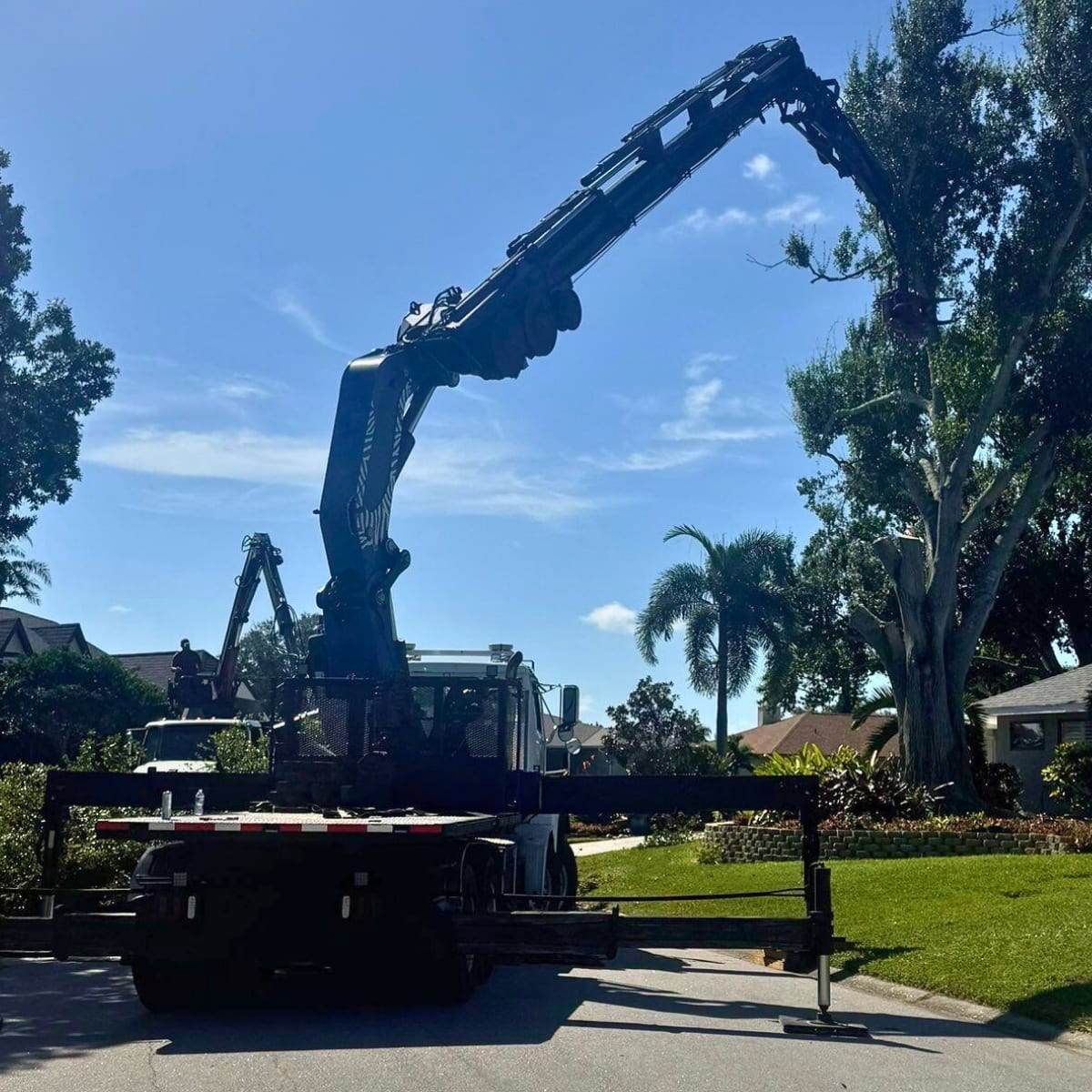
| Equipment | Basic tools often not enough | Professional equipment like cranes, chippers, and rigging systems |
| Expertise | Limited knowledge of tree structure and risk | Certified arborists with technical experience |
| Liability | Homeowner takes full responsibility for damage | Company insurance covers potential damage |
Preventing Future Tree Emergencies: Proactive Tree Care
Proactive tree care is your best defense against future emergencies. Regular maintenance identifies issues before they become critical.
Regular Arborist Assessments
- Early Detection: Spot diseases or structural weaknesses before they fail.
- Risk Assessment: Identify high-likelihood failure points in aging trees.
- Health Optimization: Professional advice on fertilization and soil health.
Proper Pruning and Maintenance
- Structural Pruning: Removes weak or crossing branches.
- Canopy Thinning: Reduces wind resistance during storms.
- Clearance Pruning: Keeps branches away from homes and utility lines.
Understanding Your Tree’s Health
- Species Awareness: Research local species to understand their storm resilience.
- Monitoring: Watch for leaf discoloration or fungal growth on the bark.
- Soil Management: Ensure proper drainage to maintain strong root systems in sandy terrain.
Frequently Asked Questions
What legally defines a tree emergency in Jacksonville?
A tree is considered an emergency in Jacksonville if it poses an imminent danger to people, structures, or public infrastructure. This includes severely leaning trees, large hanging branches, or trees damaged by storms that could fall at any moment.
Do I need a permit for emergency tree removal in Jacksonville?
Yes, under Jacksonville’s Section 656.1205, trees posing an “imminent danger to public health, welfare, or safety” are exempt from standard permit requirements. It is essential to document the hazard with photos before removal.
How much does emergency tree removal usually cost in Jacksonville?
Costs vary widely, typically $1,000–$7,500+ for complex jobs, depending on tree size, location, accessibility, and urgency. Storm seasons often see higher prices due to demand.
Will JEA remove a tree that fell on my house or power lines?
JEA clears limbs from power lines to restore service, but does not remove entire trees, resulting in debris or trees leaning on private structures. Homeowners are responsible for tree removal on their property.
What are the common signs of a hazardous tree?
Look for significant leans, large cracks in the trunk or major branches, uprooted soil around the base, hollow spots, or extensive deadwood. After a storm, any newly fallen or precarious branches are also immediate concerns.
What should I do if I suspect I have an emergency tree?
Always prioritize safety by keeping a safe distance. Contact a professional, insured tree service immediately. Avoid attempting removal yourself, especially near power lines or damaged structures.
Is stump grinding included in emergency tree removal services?
Stump grinding removes the remaining tree stump to ground level or below. It prevents tripping hazards and pest infestations. Ensure your service provider includes this in their scope of work.
How can I prevent future tree emergencies?
Proactive steps include regular arborist inspections, proper pruning to maintain structural health, and addressing signs of disease or pest infestation early to reduce the likelihood of failure.
Trusted Emergency Tree Removal for Jacksonville Homeowners
Recognizing a tree emergency in Jacksonville and acting quickly can prevent significant damage and injury. Understanding local ordinances, identifying hazardous signs, and knowing when to call a professional are crucial. For reliable, prompt, and expert emergency tree removal and assessment services, trust My Florida Tree Guys. Our team works with local ordinances and insurance documentation to ensure emergency removals are handled correctly.